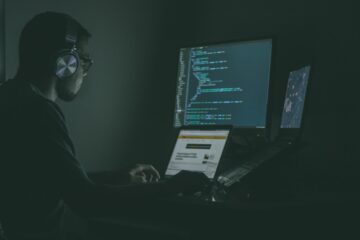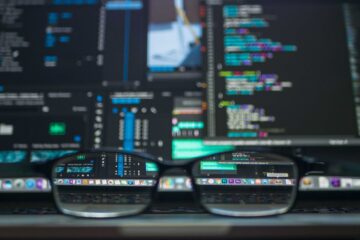
AI vision robustness diagram: SeoulTech tests models with noise and corruptions

SeoulTech Develops a Framework to Shield AI Vision

SeoulTech, the Seoul National University of Science and Technology, developed a framework to expose the blind spots of AI vision systems against noise, corruptions, and adversarial attacks. The tool measures how much a model’s accuracy drops when the input image is minimally altered, then uses those results to retrain it. It’s part of a broader trend: demanding robustness testing before deploying AI vision in critical environments.
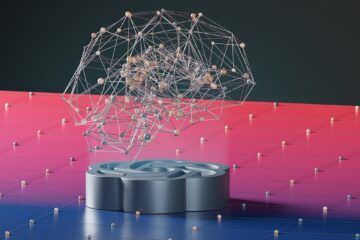

Illustration of AI's recursive self-improvement improving itself

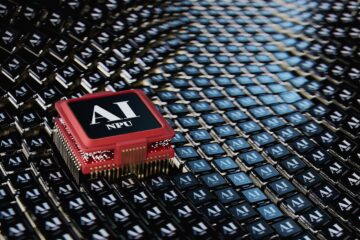
AI’s Recursive Self-Improvement Is Advancing Slower Than Expected

An analysis published by MIT Technology Review on August 18, 2026 argues that AI’s recursive self-improvement, the idea that a system trains its own successor without human help, is advancing much more slowly than the advocates of an intelligence explosion predicted. The article reviews the current technical bottlenecks, from the cost of compute to the risk of an agent evaluating itself against its own criteria.

Illustration of AI-designed viruses alongside strands of synthetic DNA

AI Designs 16 Functional Bacteriophages from Scratch: Here’s How Evo Did It

Researchers used Arc Institute’s genomic model Evo to generate the complete DNA of AI-designed viruses from scratch. Of the synthesized candidates, 16 bacteriophages turned out to be functional and able to infect bacteria in the lab, Wired reported. The finding marks a shift from AI that predicts biological structures to AI that designs them entirely.