⏱️ Lectura: 9 min
Aalto University has just published the Nokia Design Archive, a digital archive that reconstructs more than three decades of design decisions behind the phones that dominated the global mobile market. The site is not a photo catalog: it organizes sketches, prototypes, and strategy documents into three distinct views, with filters by topic and date.
📑 En este artículo
The project makes public something that usually stays locked away in a corporation’s internal archives: the process, not just the result. And it does so under an open license, though with clear restrictions on commercial use.
TL;DR
- Aalto University (Finland) published the Nokia Design Archive, a digital archive documenting Nokia’s design process.
- The site organizes the content into three views: network, timeline, and keyword search.
- The filters classify the material by category: all products, aesthetics, design process, and design strategy.
- All the material is published under a Creative Commons BY-NC-ND 4.0 license, which requires attribution and prohibits commercial use and derivative works.
- The Internet Archive’s Wayback Machine recorded 54 captures of the site between January 15, 2025, and September 17, 2026.
- Nokia was the world’s largest mobile phone manufacturer before selling its devices division to Microsoft in 2014.
- Any developer can check the site’s capture history using the Internet Archive’s CDX API, without having to do their own scraping.
What Happened With the Nokia Design Archive
Aalto University, in Espoo (Finland), launched the site nokiadesignarchive.aalto.fi, a digital archive dedicated to Nokia’s design process. It offers three ways to explore the material: a network view that connects related entries, a chronological timeline, and a keyword search tool.
Each entry can be filtered by category (all products, aesthetics, design process, and design strategy) and by date, with the option to include entries with no assigned date. All the content is published under a Creative Commons BY-NC-ND 4.0 license, which requires attribution and prohibits both commercial use and the publication of derivative works.
Context and History
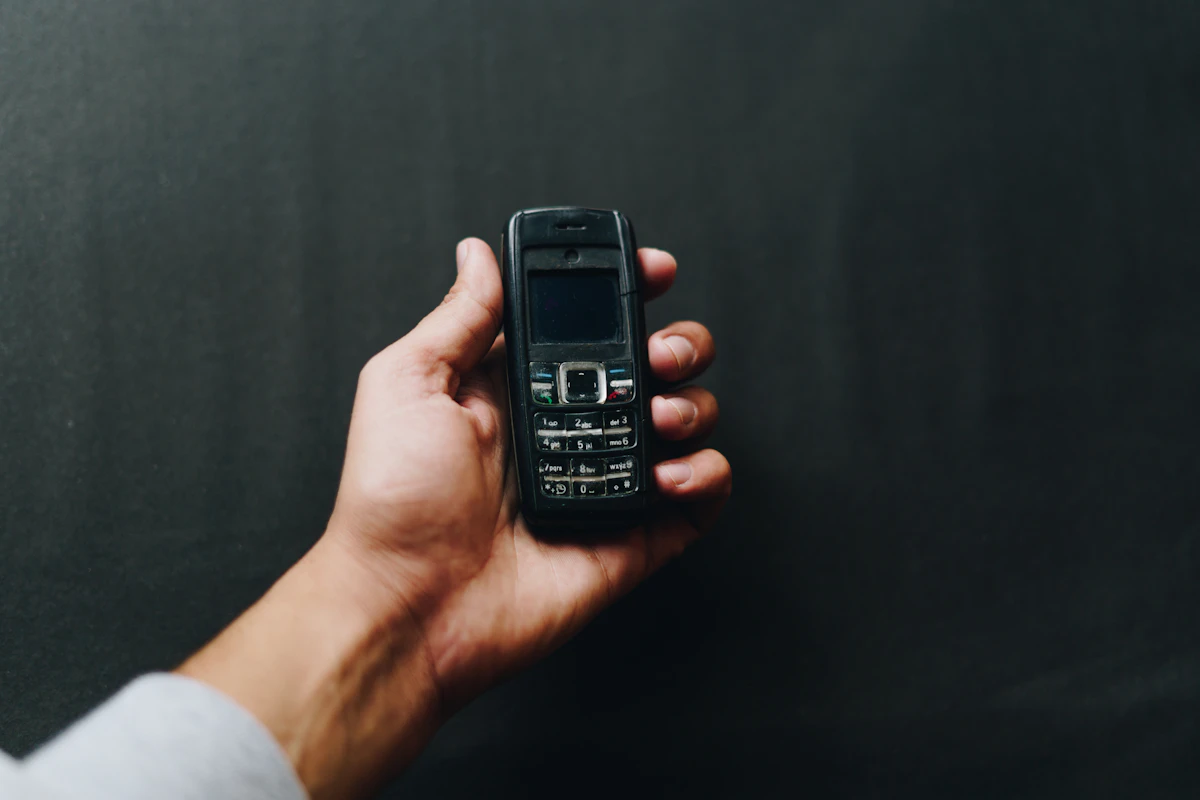
Nokia did not always make phones. The Finnish company went through paper, rubber, and telecommunications before becoming, in the 1990s, the world’s largest mobile phone manufacturer. Models like the 3210, the 8110, or the N-Gage line defined an era in which a phone’s industrial design mattered as much as its internal software. That dominance collapsed with the arrival of the touchscreen smartphone, and in 2014 Nokia sold its mobile devices division to Microsoft, closing out nearly three decades as a manufacturing brand.
It’s no coincidence that Aalto University is the one hosting the archive. The university is named after Alvar Aalto, the Finnish architect and designer central to 20th-century design, and since 2010 it has brought together Helsinki’s former schools of art, design, and architecture alongside its schools of engineering and economics. Publishing Nokia’s design archive from this institution connects two chapters of the same tradition: Finnish design applied first to furniture and architecture, then to mass-market consumer electronics.
Technical Details and Performance
The Nokia Design Archive works as a site with client-side interactive visualization: it doesn’t require its own backend to browse the material once it’s loaded. The network view clusters entries by thematic relationship, the timeline sorts them chronologically, and the keyword search lets you jump straight to a specific product or concept. All three views respond to the same category and date filters, so switching views doesn’t lose your search context.
The following table summarizes when to use each view of the Nokia Design Archive:
| View | When to Use It | Advantage | Limitation |
|---|---|---|---|
| Network | Exploring relationships between products, sketches, and design concepts | Shows non-linear connections between entries | Hard to navigate if you don’t know the product names |
| Timeline | Following the chronological evolution of Nokia’s design | Places each piece in its historical context | Undated entries are excluded unless you enable “include undated entries” |
| Keyword Search | Looking for a specific product, term, or concept | Direct access without visual browsing | Depends on the material being tagged with that exact word |
The site was also recorded in the Internet Archive’s Wayback Machine, which documented 54 captures between January 15, 2025, and September 17, 2026. That crawl cadence, several captures per month, suggests the archive keeps receiving updates, even though the site itself doesn’t publish a changelog.
flowchart TD
    A["User"] --> B["nokiadesignarchive.aalto.fi"]
    B --> C["Network view"]
    B --> D["Timeline"]
    B --> E["Keyword search"]
    C --> F[("Entries filtered by topic and date")]
    D --> F
    E --> F
How to Start Exploring the Nokia Design Archive
You don’t need credentials or to install anything to browse the Nokia Design Archive: just open the site and pick one of the three views. But if you’re a developer and want to automate change tracking, the Internet Archive’s CDX API exposes the full capture history of any domain.
To list the site’s most recent captures:
curl "http://web.archive.org/cdx/search/cdx?url=nokiadesignarchive.aalto.fi&output=json&limit=10"The command returns a JSON array with the timestamp, the original URL, and the HTTP status code of each capture. It’s the most direct way to confirm how many times the archive was crawled and when.
If you’d rather automate downloading a specific capture in Python:
import requests

timestamp = "20260912162857"
url = f"https://web.archive.org/web/{timestamp}/https://nokiadesignarchive.aalto.fi/index.html"

response = requests.get(url, timeout=10)
print(response.status_code)
print(response.text[:200])
That script requests the September 12, 2026 capture and checks response.status_code to confirm whether the snapshot is still available: 200 means it is. If you don’t have requests installed, on Windows run py -m pip install requests, on macOS python3 -m pip install requests, and on Linux python3 -m pip install requests (or your distro’s package manager, like apt install python3-requests on Debian/Ubuntu).
📌 Note: the CC BY-NC-ND 4.0 license allows downloading and sharing the material with attribution, but it doesn’t authorize using it in a commercial product or publishing modified versions of the original sketches or documents.
Impact and Analysis
For anyone studying industrial design or UX, the Nokia Design Archive is an unusual source: almost everything preserved from a mass-market consumer company is usually the finished object, not the path that led to it. Seeing the discarded ideas, the aesthetic variants that never reached production, and the internal strategy documents provides decision-making context, not just the outcome.
The limitation is the same thing that sustains the project: the BY-NC-ND 4.0 license protects the material from commercial use, so a startup can’t take a sketch from a 1990s Nokia and sell it as merchandise, nor can a paid course republish the images without explicit permission. For academic research, nonprofit outreach, or simple historical curiosity, on the other hand, the archive is directly citable as a source.
💡 Tip: if you want to find out when Aalto adds new entries, set up a cron job that runs the CDX query once a week and compares the capture count against the previous run.
What’s Next
Aalto hasn’t published a work plan for the archive, so there’s no confirmed date for new material additions. What is consistent is the Wayback Machine’s crawl pace, which kept capturing the site in the months after its initial publication, a sign that the content didn’t freeze on launch day.
The case leaves an open question for other companies with decades of product history: how many equivalent design archives sit unpublished in corporate drawers? Motorola, Ericsson, and Apple itself have accumulated design histories just as long, and none of them, so far, has a public archive comparable to the Nokia Design Archive.
📖 Summary on Telegram: View summary
Try it yourself: open nokiadesignarchive.aalto.fi right now and switch between the three views to see how the same Nokia product appears connected in the network, placed on the timeline, and described in the search tool.
Frequently Asked Questions
What is the Nokia Design Archive?
It’s a digital archive published by Aalto University that documents Nokia’s design process: sketches, prototypes, and strategy documents, organized into a network view, a timeline, and a keyword search tool.
Who maintains the archive?
Aalto University, the Finnish university that brings together Helsinki’s former schools of art, design, and architecture, among other faculties.
Can I use the material in a commercial project?
No. The Creative Commons BY-NC-ND 4.0 license requires attribution and explicitly prohibits commercial use and the publication of derivative works.
How do I check the site’s update history?
With the Internet Archive’s CDX API, which returns the timestamp and HTTP status of every capture the Wayback Machine recorded for the domain nokiadesignarchive.aalto.fi.
Why does Aalto University host the archive instead of Nokia?
Aalto embodies the Finnish design tradition (the university is named after architect and designer Alvar Aalto) and functions as an academic institution for preserving and studying the material, a different role than Nokia would have as a commercial company.
Is the Nokia Design Archive still growing?
There’s no official expansion announcement, but the Wayback Machine kept capturing the site after its initial publication in January 2025, which indicates ongoing activity.
References
- Nokia Design Archive: official site of the archive, published by Aalto University.
- Wayback Machine: September 12, 2026 capture used as a reference for this article.
- Creative Commons BY-NC-ND 4.0: legal text of the license under which the archive’s material is published.
- Nokia (Wikipedia): the company’s history, including the sale of its devices division to Microsoft in 2014.
📱 Like this content? Follow @programacion on Telegram for daily tech content in Spanish: quick summaries, fresh content every day.
Imagen destacada: Foto de Tasha Kostyuk en Unsplash




0 Comments