⏱️ Reading time: 9 min
Apple confirmed iPhone Duo, its first foldable phone: preorders begin on October 16 at 5:00 a.m. Pacific time, and the device arrives in stores on October 23. The announcement, published on Apple’s official page, marks the company’s entry into a segment that Samsung and Huawei have dominated for more than six years.
📑 En este artículo
The device unfolds to a 7.6-inch interior display, 50% larger than the iPhone 18 Pro Max’s, and runs the A20 Pro chip with vapor chamber cooling. For Spanish-speaking developers, iPhone Duo also means adapting apps to a new type of foldable layout.
TL;DR
- Apple opened iPhone Duo preorders on October 16 at 5:00 a.m. PT; available in stores starting October 23.
- The interior display measures 7.6 inches and is 50% larger than the iPhone 18 Pro Max’s.
- The exterior display covers more than 90% of the iPhone 18 Pro’s screen area.
- The chip is the A20 Pro with vapor chamber cooling, a thermal system new to iPhone.
- The rear camera is a 48MP Dual Fusion system, with a 12MP Center Stage front camera and an under-display FaceTime camera.
- iPhone Duo uses a dual battery system designed for a full day of battery life.
- Siri AI arrives redesigned, but at launch it’s only available in English.
- The frame is grade 5 titanium with Ceramic Shield on the front and back, and IP68 certification.
Introduction
For years, Apple avoided the foldable market while Samsung, Huawei, and Honor launched model after model. That silence ended with iPhone Duo, unveiled on Apple’s official page as “the first foldable iPhone.” The company describes it as a device that offers new poses and orientations thanks to an adapted version of iOS.
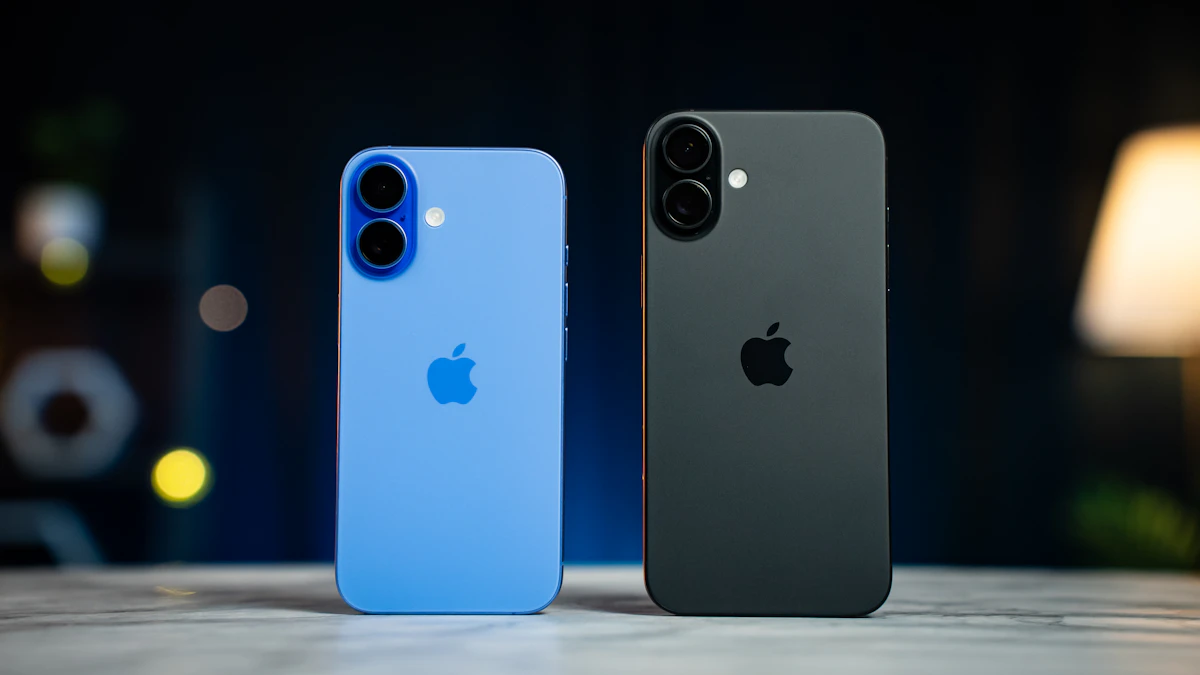
The launch comes in two colors, Night Sky and Star White, and joins the iPhone family without replacing the Pro models. For the development ecosystem, the event matters as much as the hardware: any app that assumes a single fixed aspect ratio will need adjustments.
What happened
Apple published the full technical specifications for iPhone Duo along with the preorder dates: October 16 at 5:00 a.m. Pacific time, arriving in stores on October 23. The announcement includes display, camera, chip, and battery specifications, plus a series of features exclusive to the foldable format.
The device unfolds to a 7.6-inch interior display with Super Retina XDR technology, which Apple describes as the largest and thinnest iPhone display ever made, 50% larger than the iPhone 18 Pro Max’s. The exterior display, used when the device is closed, covers more than 90% of the iPhone 18 Pro’s screen area.
Apple also confirmed the use of a grade 5 titanium frame with a matching hinge cover, Ceramic Shield protection on the front and back, and IP68 certification against water and dust.
Context and history
Samsung launched its first Galaxy Fold in 2019, followed by Huawei with the Mate X that same year. Since then, the foldable segment has grown slowly: visible creases, weight, and high prices limited mass adoption. Apple, which tends to enter new categories late (as happened with the smartwatch or wireless earbuds), waited until it solved the crease problem before announcing a product.
The core technical challenge of any foldable is the hinge: it must withstand thousands of open-close cycles without a permanent crease appearing at the display’s fold point. Apple says it solved that problem with a scratch-resistant coating and a nano-textured finish that reduces glare, but the announcement doesn’t specify the number of certified cycles, a figure that Samsung and Huawei typically do publish in their spec sheets.
The under-display FaceTime camera, which stays hidden until needed, is another direct response to the visible watermark on competitors’ foldable displays.
Technical details and performance
The heart of iPhone Duo is the A20 Pro chip, with vapor chamber cooling, a thermal system Apple had never used in an iPhone before. The vapor chamber allows it to sustain intensive workloads (video rendering, ray-traced gaming) without the chip throttling as quickly as it would in a design using only graphite sheets.
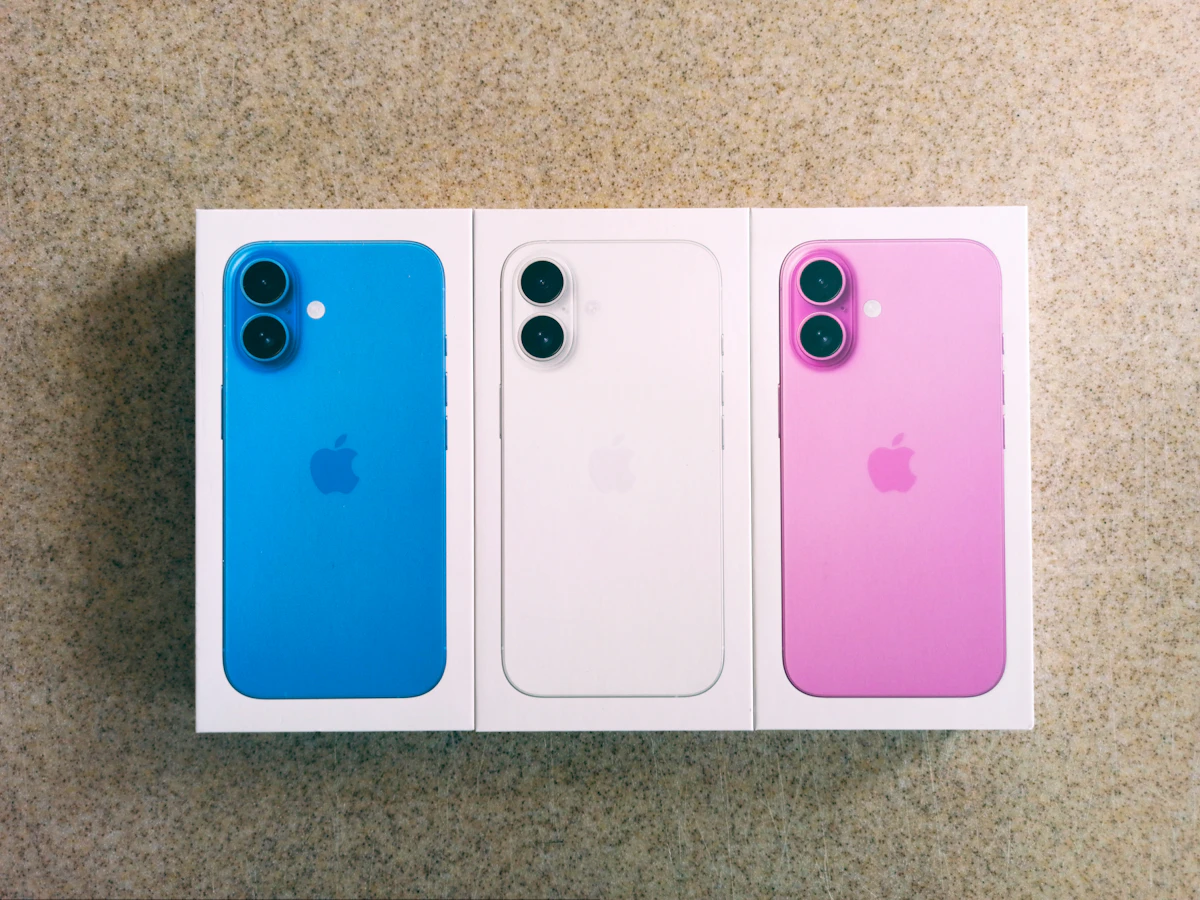
The interior display uses 10 ultra-thin layers and reaches 3000 nits of peak brightness, the same figure already found in the latest iPhone Pro models. The rear camera system is a 48MP Dual Fusion setup (Ultra Wide and Main), paired with a 12MP Center Stage front camera and an under-display FaceTime camera on the interior screen.
The battery is a dual system: two separate cells, one on each side of the hinge, which Apple markets as offering a full day of battery life. There are no official mAh figures or video playback hours in the published announcement.
flowchart TD
A["A20 Pro chip (vapor chamber)"] --> B["7.6 in interior display"]
A --> C["Exterior display"]
A --> D["Dual Fusion 48MP camera"]
A --> E["Dual battery"]
B --> F["Adaptive iOS 27"]
C --> F
Beyond the hardware, Apple redesigned parts of iOS 27 to take advantage of the fold. The system recognizes five distinct positions and adapts the interface to each one:
| Mode | What it enables |
|---|---|
| Landscape (horizontal) | Wide screen for video and Split View, two apps side by side. |
| Portrait (vertical, open) | Wider keyboard, more scroll space, video anchored at the top. |
| Closed | Compact pocket-sized design with essential controls moved to the side. |
| Seated (propped on a table) | Fixed viewing angle for watching a show or following a workout routine. |
| Standing (StandBy) | Clock, photos, and widgets on the exterior display; movies at an adjustable angle. |
📌 Note: Apple didn’t publish battery figures in mAh or performance benchmarks for the A20 Pro against previous generations; it only describes the promise of a full day of battery life.
How to start preparing your app
For a developer who already has an app on the App Store, the first step isn’t waiting to get the hardware in hand: it’s reviewing whether the interface assumes a single aspect ratio. iPhone Duo introduces an interior screen size much wider than a regular iPhone’s, something similar to what already happens on iPad in landscape orientation.
SwiftUI handles much of the work with horizontalSizeClass. A minimal example that switches from one column to two depending on available space:
import SwiftUI

struct DuoAdaptiveView: View {
    @Environment(\.horizontalSizeClass) private var sizeClass

    var body: some View {
        if sizeClass == .regular {
            HStack(spacing: 24) {
                SidebarView()
                DetailView()
            }
        } else {
            NavigationStack {
                DetailView()
            }
        }
    }
}
This code doesn’t detect the fold itself, but rather the available width: when iPhone Duo is open in landscape, the system reports a .regular size, just like on an iPad, and the view shows the sidebar and detail simultaneously.
For a more realistic case, it’s worth combining GeometryReader with the physical size in points, since horizontalSizeClass doesn’t distinguish between an actual iPad and an open iPhone Duo:
struct FoldAwareLayout: View {
    var body: some View {
        GeometryReader { proxy in
            let isWideFold = proxy.size.width > 700 && proxy.size.width < 1000
            if isWideFold {
                DuoSplitView()
            } else {
                CompactView()
            }
        }
    }
}
Apple hasn’t publicly confirmed whether Xcode will include a dedicated iPhone Duo simulator before October 23. In the meantime, the most practical way to get ahead of the work is to test the current layout in the iPad simulator in Split View mode and in Environment Overrides from Xcode’s debug panel, forcing horizontalSizeClass to .regular on an iPhone. That quickly reveals truncated text, misaligned buttons, and lists that don’t take advantage of the extra width.
Impact and analysis
iPhone Duo enters a market that Samsung opened in 2019 and that Huawei, Honor, Google, and Oppo also compete in today with their own foldable models. Apple’s difference isn’t arriving first, but arriving with an ecosystem of more than two million apps, most of which weren’t designed for a screen that changes shape.
The use case that benefits productivity developers the most is Split View: two apps running side by side without needing an iPad. For game studios, the interior display’s 3000 nits and iOS 27 compatibility open the door to interfaces designed specifically for the fold, something only a handful of Android apps currently do well on Samsung’s foldables.
⚠️ Heads up: Siri AI, the feature Apple promotes most heavily on the product page, is only available in English at launch, leaving much of the Spanish-speaking audience out on day one.
The price of iPhone Duo doesn’t appear in the material Apple published; the official page points to a separate “View pricing” link with no figure visible in the content reviewed. That absence is common in early product announcements and is usually resolved at the launch event or when preorders open.
What’s next
Between the announcement and October 16, Apple is expected to release more details on pricing, storage capacities, and country availability. For developers, the most important checkpoint comes if Apple releases an Xcode beta with explicit simulator support for iPhone Duo before the preorder date: that would allow testing layouts without waiting for the physical hardware.
The rollout of Siri AI in more languages is another point worth watching closely, especially for the Latin American market, where a Spanish-language assistant remains a constant demand from users.
Try it yourself: go to apple.com/iphone-duo and set a preorder reminder before October 16 at 5:00 a.m. PT.
Frequently Asked Questions
When can you buy iPhone Duo?
Preorders open on October 16 at 5:00 a.m. Pacific time. The device arrives in physical and online stores on October 23.
How big is the iPhone Duo’s display?
The interior display measures 7.6 inches, 50% larger than the iPhone 18 Pro Max’s. The exterior display covers more than 90% of the iPhone 18 Pro’s screen area.
What chip does iPhone Duo use?
It runs the A20 Pro with vapor chamber cooling, designed to sustain heavy workloads without losing performance as quickly as a design without that thermal system.
Does Siri AI work in Spanish at launch?
No. Apple confirmed that Siri AI initially arrives only in English.
Is iPhone Duo water and dust resistant?
Yes, it has IP68 certification and Ceramic Shield protection on both the front and back panels.
Do I need to change my app if I already have one on the App Store?
If your interface assumes a fixed screen width, it’s worth reviewing its behavior under regular horizontalSizeClass before October 23, especially in views with lists and forms.
References
- Apple, official iPhone Duo page: specifications, preorder dates, and features exclusive to the foldable model.
- Apple Human Interface Guidelines: official guidelines for adapting interfaces to different screen sizes.
- Official SwiftUI documentation: reference for
horizontalSizeClassandGeometryReaderused in this article’s examples.
📱 Do you like this content? Follow @programacion on Telegram for daily tech content in Spanish: quick summaries, fresh content every day.
Imagen destacada: Foto de Onur Binay en Unsplash
Did it work for you? Got a different error? Say so below: questions get answered and help the next reader.
Leave a comment



0 Comments